SMLP, INC.
EDUCATIONAL TECHNOLOGY
Creative Manager 2023–2025
Graphic Designer 2021–2022
The creative arm of StrongMind (based in Arizona) where we create digital learning modules for grades K-12 in the US market.
Property of StrongMind. For portfolio purposes only.
INFOGRAPHICs & INFOCOMICS
Visual stories and infographics designed to make Social and Emotional Learning (SEL) concepts approachable by turning lessons on empathy, mindfulness, and growth mindset into clear, relatable narratives.
ILLUSTRATIONs
Illustrations designed for earlier grades. A few visuals for interactive storybooks and early-grade visual learning to support comprehension and creativity.
Character designs for SEL games and videos, bringing emotional learning to life through expressive, kid-friendly personalities.
Character Design
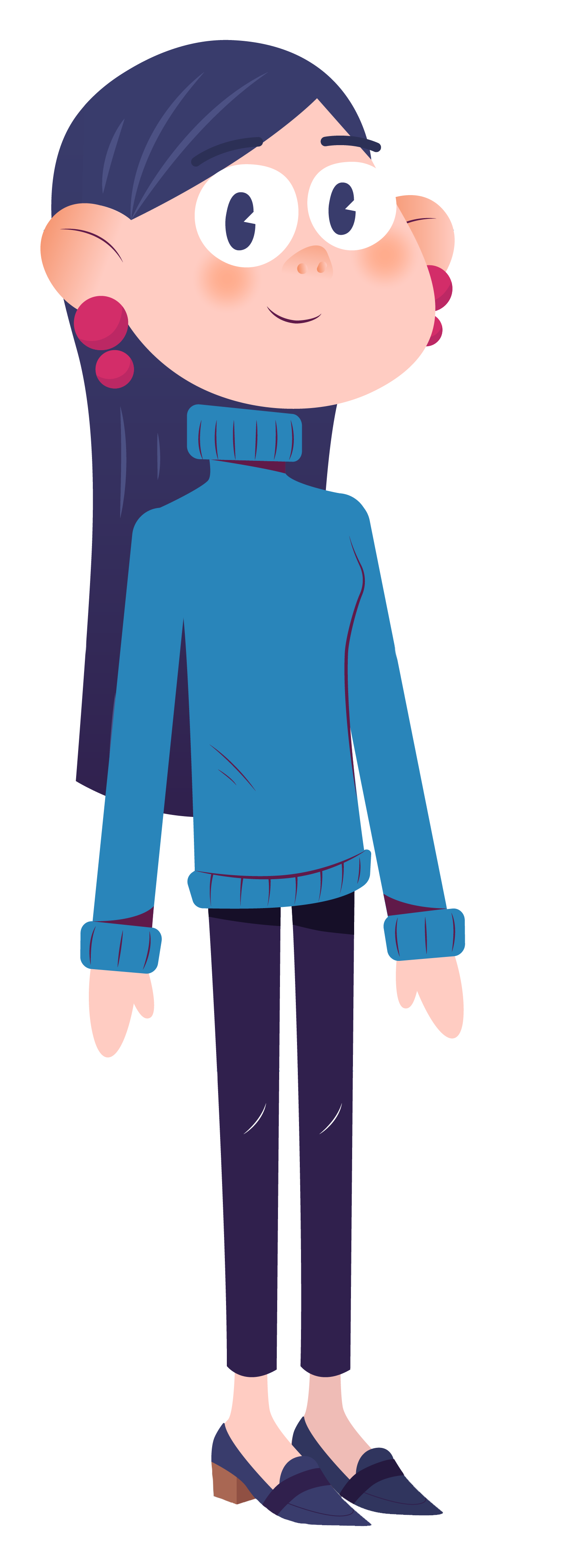
The Librarian
A kind & guiding figure at school
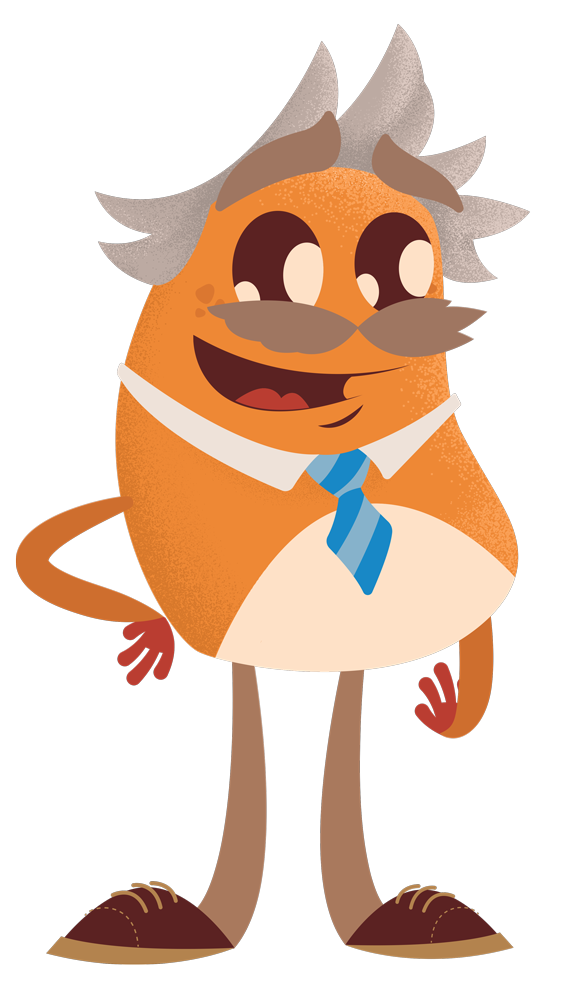
Mr. Sinclair
A wise and supportive school teacher
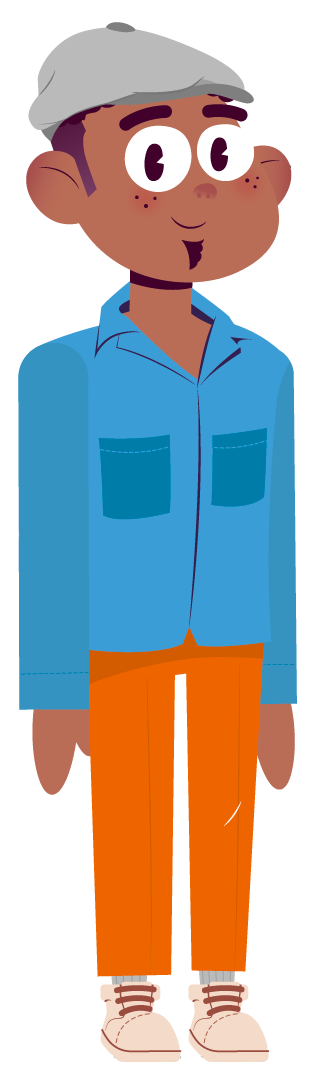
Mr. Sutcliffe
A fun & upbeat father to 2 children
STORYBOARDS
Storyboards for educational videos where we turn topics from Science to SEL into dynamic, easy-to-follow visual stories.
(Images below are only stills from the storyboards, used as reference for the animators.)
❋
❋
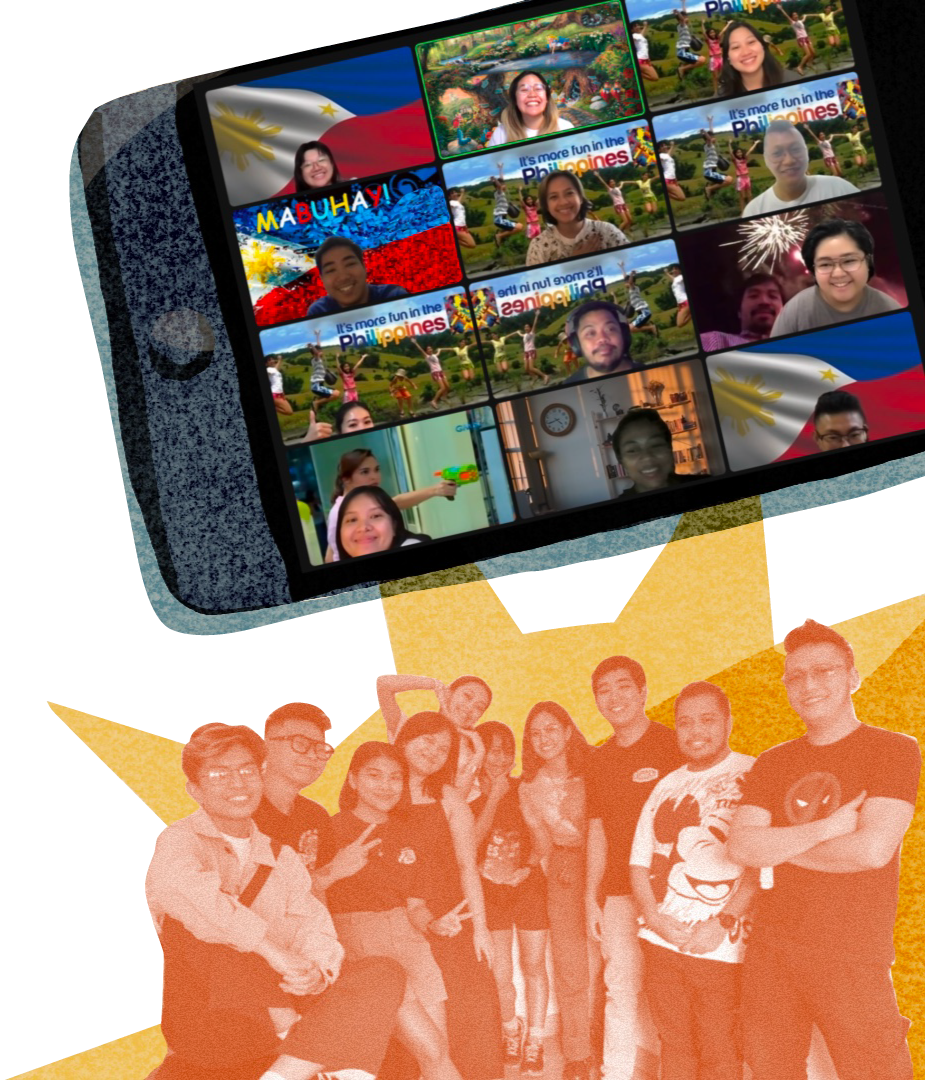
team sinigang gang
team sinigang gang
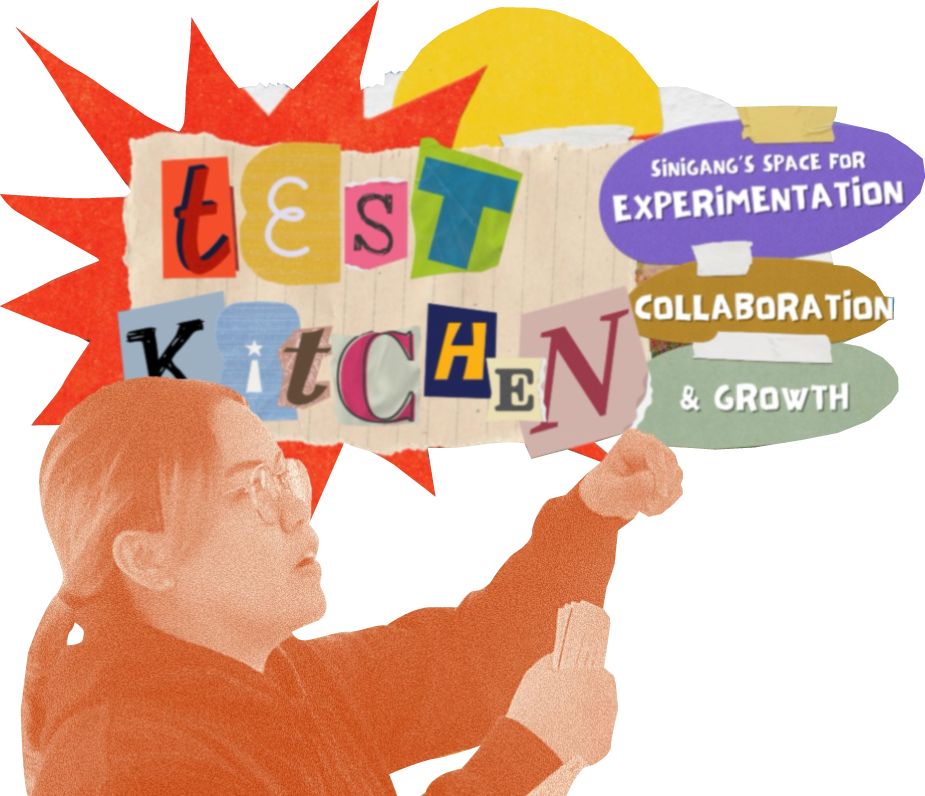
The Test Kitchen:
How I Designed a Culture of Trust
[ A case study ]
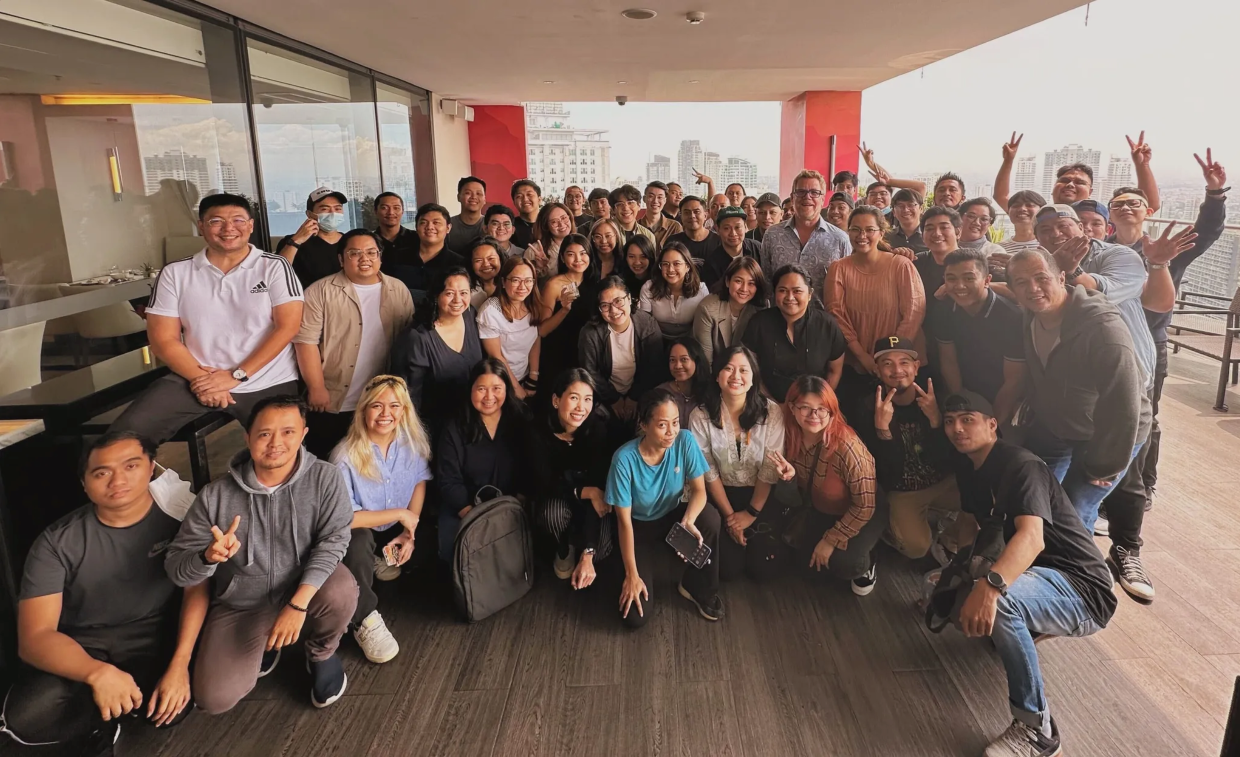
In early 2023, I was given the opportunity to lead a team of 11 creatives (graphic designers, motion designers, video editors, and copywriters) in a company where I was previously a graphic designer. From being a technical & individual thinker, I had to shift gears and learn what it truly was to lead a team not just with excellent output, but a team that could move as one.
THE CHALLENGE:
❋
❋
In a kitchen where trust is instinctive, one learns the others timing and anticipates what another needs before they ask.
But how does one recreate that kind of flow in a team that doesn’t work in the same room?
Since 2021 and due to the pandemic, SMLP has always been fully remote. We’ve only met through Zoom calls, Slack pings, and the occasional in-person meetups. The challenge wasn’t about productivity but about chemistry.
The Insight
Over time, I realized something about remote creative teams:
Trust doesn’t come from structure. It comes from presence.
And presence isn’t just about being online. It’s about being seen. Our team didn’t need tighter systems or another feedback loop. What they needed was room to share unpolished ideas, to challenge each other, and to feel safe doing it.
While reading Leaders Eat Last by Simon Sinek, one line stayed with me:
“When we feel safe among the people with whom we work, we naturally combine our talents and strengths and do amazing things.”
That reframed my role completely. My job wasn’t to be the final creative filter but to make sure people felt safe enough to create freely.
That realization became the foundation for what would later evolve into ‘The Test Kitchen’, a culture experiment built on one simple idea: If we can make trust practical, creativity becomes unstoppable.
The approach
I began reworking our daily structure not by adding more rules, but creating rituals that made trust visible.
Daily stand-ups became open spaces for honest conversations. Instead of focusing only on tasks, we made room for early ideas and creative challenges. Peer reviews shifted from approval checkpoints to learning moments.
1
Every in-person meetup had intent. I built agendas around improv exercises, empathy-building games, and confidence workshops.
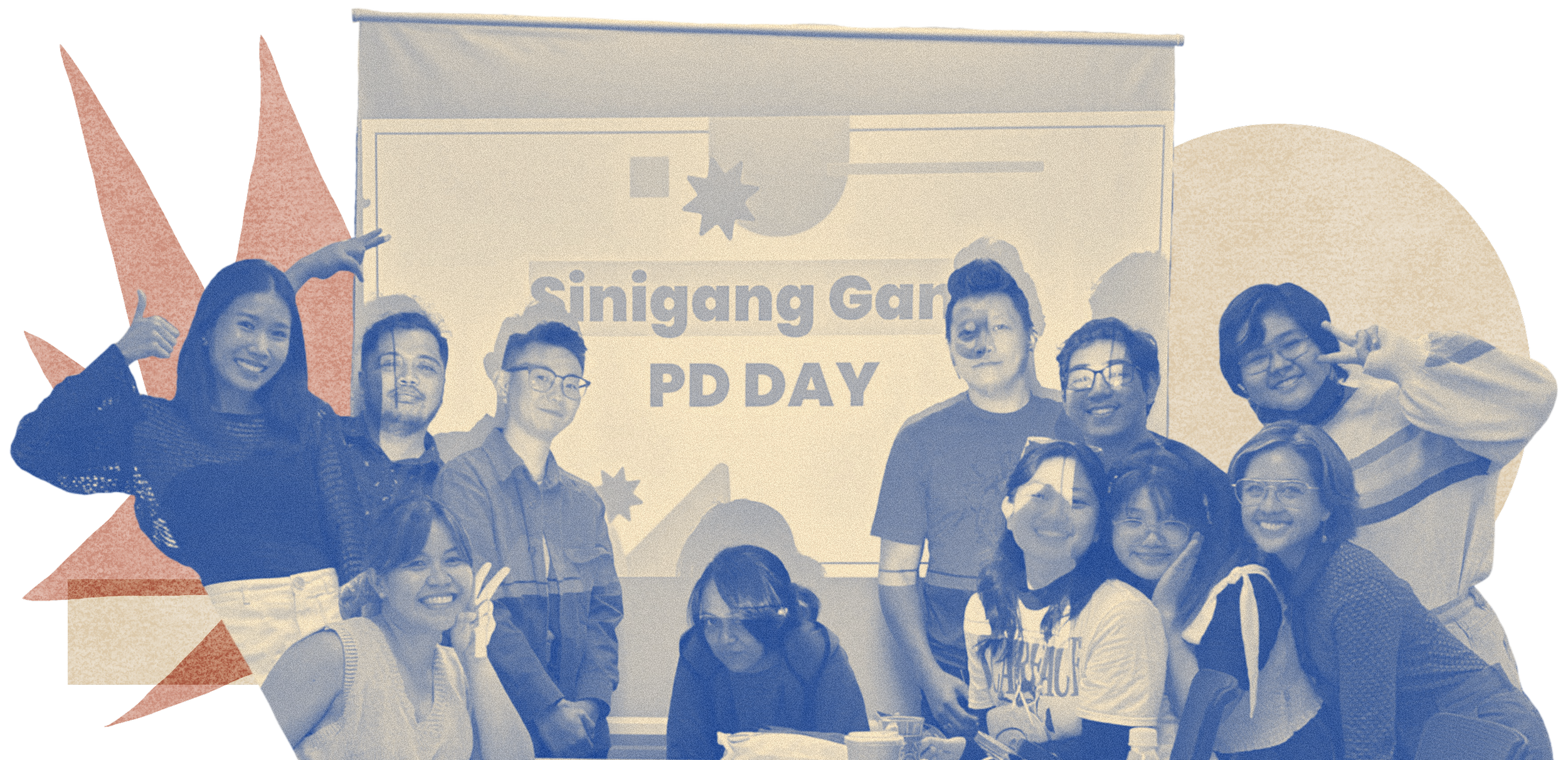
Online, we replicated that same energy through “P.D. Days” , half-days dedicated to creative play, reflection, and rediscovery.
These rituals blurred the line between team-building and skill-building, helping everyone connect as humans first, specialists second.
2
Whenever someone asked me for feedback, I’d ask, “What do your teammates think?”
That small shift turned leadership from a bottleneck into a loop. Over time, designers started ideating with copywriters early, animators consulted illustrators, and cross-discipline dialogue became natural.
3
By 2025, these habits evolved into an internal creative lab called ‘The Test Kitchen’, a space to explore, experiment, and play without the pressure of deliverables.
Here, curiosity and trust became the foundation for creative confidence.
4
“I remember when I first joined the team, Keziah really took time to get to know how I felt about being new, how I worked, what I needed, and how she could help me grow. She pushed us to never get [complacent], even when things were going well. It wasn’t always easy, but it always led to growth. Thank you so much for taking the time and extra effort for planning our PD days and Test Kitchen activities. They made a huge difference.”
— Copywriter, SMLP
❋
❋
The outcome
By mid-2024, the results spoke for themselves.
100% of team deliverables were accomplished ahead of term 1 and 2 2024 deadlines.

In 2025, the team became the fastest-performing unit. They accomplished the highest number of projects across the department including a new style guide for Science in just two weeks, a process that previously took a month.
Collaboration improved dramatically. Cross-disciplinary projects increased by more than half, and review cycles shortened as the team became self-sustaining. There was also a 30% increase in designer’s peer feedback participation.

During my two-week leave in April 2024, the Creative Director noted how seamlessly the team functioned. They were fully independent and aligned without needing oversight.
These weren’t just performance wins. They were cultural milestones that proved trust wasn’t abstract. It was operational.
What MY CREATIVE DIRECTOR SAID…
Keziah led her team to a strong performance in 2024 not only finishing their load but helping other teams with theirs. She created her own tools and processes to ensure that everyone stays on track with their work.
“
”
Keziah trained her specialists to be independent and accountable for their tasks. This was displayed when she took her PTOs and her team had a clear understanding of what they were supposed to do and accomplished them.
“
”
REFLECTION
❋
The Test Kitchen became more than an experiment. It was a shift in mindset.
It showed that leadership isn’t about control but also about cultivating conditions for people to thrive in. Because when creatives feel safe enough to play, they don’t just do good work. They grow.
❋